
In today’s fast-paced financial landscape, choosing the right bank account can make all the difference between smoothly managing your money and feeling perpetually overwhelmed. Whether you’re a young adult just starting out, a newcomer to Canada, or someone looking for better banking options, picking the right bank is crucial.
Understanding Your Financial Needs
Your financial needs are as unique as you are. Before diving into the myriad of options available in Canada’s robust banking sector, take a moment to assess your personal finance goals. What are you looking for? A high-interest savings account to grow your funds? An easy way to manage business transactions? Or perhaps access to a wide array of loans and investment products?
Take control by identifying what matters most to you in a bank:
- Convenience: Do you need frequent face-to-face support, or are you comfortable with digital banking?
- Costs: Are high fees a concern? Consider monthly account charges and transaction limits.
- Savings Opportunities: Look for accounts that offer competitive interest rates on your savings.
- Loan Options: Ensure the bank can support any loans or credit you may need in the future.
Exploring Your Banking Options: Big Banks, Credit Unions, and Online-Only Banks
The Canadian banking landscape is diverse. From traditional big banks to community-oriented credit unions and cutting-edge online-only institutions, there’s a bank for every type of financial need.
| Bank Type | Pros | Cons |
|---|---|---|
| Big Banks (RBC, TD Bank, Scotiabank, BMO, CIBC, National Bank) | Premium service with a full suite of financial products. | Higher monthly fees and lower interest rates on savings accounts. |
| Credit Unions (Meridian, Servus, Vancity, Coast Capital) | Lower fees, competitive interest rates, personalized customer service. | Tend to be more localized with fewer ATMs and branches. |
| Online-Only Banks (Tangerine, EQ Bank, Simplii Financial) | No monthly fees, high-interest savings accounts with compounding interest. | Limited face-to-face support, no business banking solutions. |
Big banks like RBC and TD offer everything from mortgages to small business loans under one roof. However, they often come at a cost with higher monthly fees and lower interest rates on savings accounts. On the other hand, credit unions are structured as non-profit organizations that return profits to members in the form of better interest rates and lower fees. They’re great for those who value community-oriented services and are settling down in one area.
The Power of Comparison
When it comes to choosing a bank account, comparison is key. Don’t just settle for what’s familiar—dig deeper into your options:
- Access to Fee-Free ATMs: If you’re someone who uses cash frequently, look for a bank with a large fee-free ATM network.
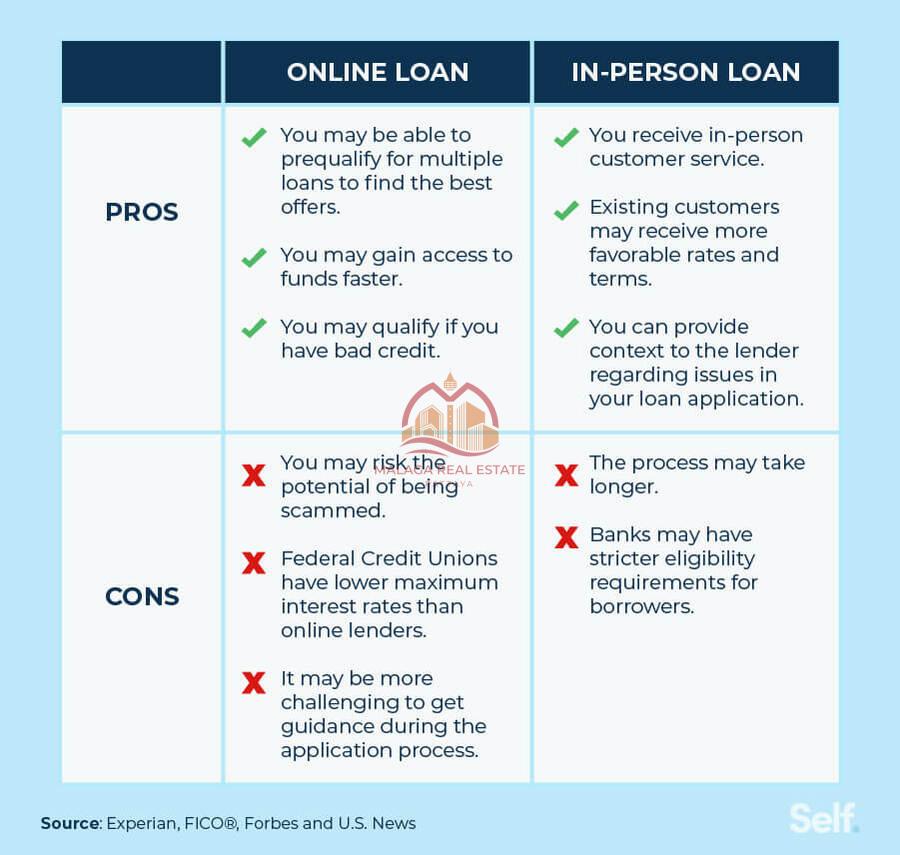
- Some people prefer face-to-face support when opening accounts or applying for loans. Big banks provide lots of branch access, whereas credit unions and online-only banks may have fewer in-person options.
- Availability of High-Interest Savings Accounts (HISAs): These can significantly aid your financial growth. Typically, online banks offer better rates than big banks, whose standard savings accounts might only offer a fraction of a percent.
- Type of Loan: Big banks offer a wide array of loans, including mortgages, auto loans, small business loans, and personal loans. Smaller or online-only institutions may be limited in the types of loans they can provide.
Tips for Making the Right Choice
The decision to change your bank is not one to take lightly. Shutting down an account and moving funds over to a new bank simply because you made the wrong choice can be tedious and may even come with fees. To avoid this, follow these tips:
- Do Your Research: Spend time comparing different banks based on their features, fees, interest rates, and customer service.
- Evaluate Customer Reviews: Look at online reviews to gauge the satisfaction levels of existing customers. This can give you an insight into what it’s like to be a member of that bank or credit union.
- Consider Future Needs: Think about your financial goals over the next five, ten years. Will this institution support those goals?
For instance, if you’re planning to buy a house in the near future, consider a credit union like fastlendgo.com, which offers competitive rates on mortgages. Alternatively, online-only banks such as Tangerine or EQ Bank can provide no-fee accounts and high-interest savings options perfect for those who prefer digital banking.
The Future of Banking in Canada
Technology has revolutionized the way we bank. Online-only institutions have gained popularity due to their user-friendly interfaces, low fees, and high-interest savings opportunities. As more people turn to online banking, traditional banks must adapt or risk losing customers.
In 2025, digital innovations continue to shape the financial sector:
- Blockchain Technology: This technology is making waves in the financial industry by providing secure and transparent transactions. Banks that embrace blockchain can offer faster and more efficient services.
- Mobile Apps: With mobile banking apps becoming increasingly sophisticated, users have access to real-time account information and personalized advice at their fingertips.
As technology evolves, so does the banking experience. Institutions that invest in these advancements are better positioned to meet customer needs in an ever-changing landscape.
The Bottom Line: Finding Your Perfect Match
Your bank is more than just a place where you keep your money; it’s a partner in achieving your financial goals. Whether you prefer the full-service approach of big banks, the community focus of credit unions, or the low fees and high interest rates offered by online-only institutions, make sure that the one you choose aligns with your lifestyle and finances.
Take time to explore different options based on your unique needs—monthly costs, ATM access, customer service, and loan availability. By doing so, you’ll find a financial partner that enhances, rather than hinders, your journey towards achieving your personal finance goals. After all, the right bank account can truly make a difference in how easily you’re able to save, budget, and manage your money over the long term.